Deep Vein Thrombosis – Pulmonary Embolus & Varicose Veins
Nov 04, 2026
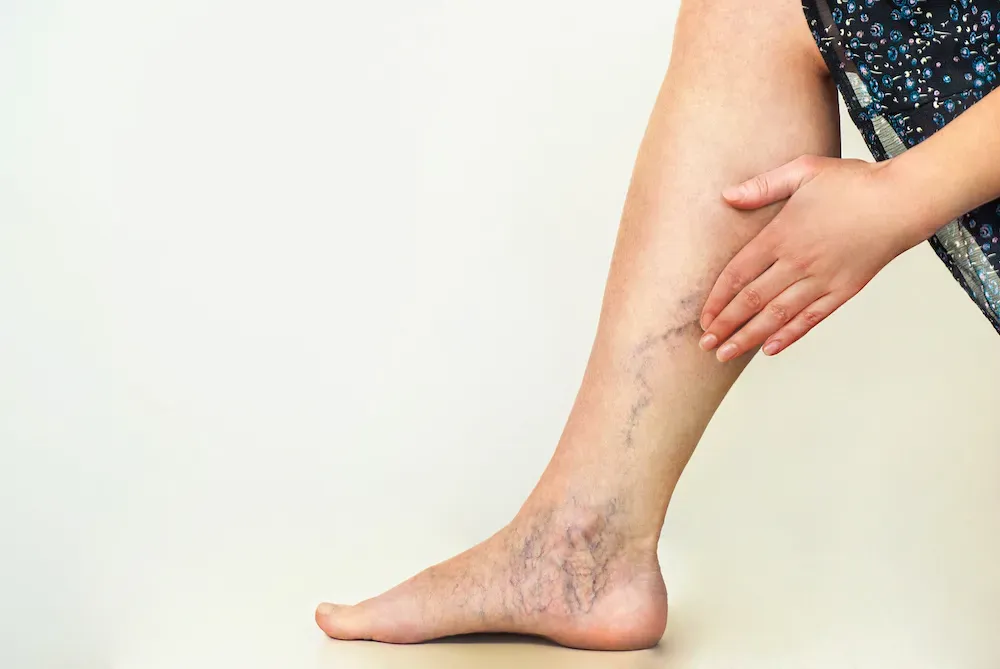
Deep vein thrombosis (DVT) is frequently referred to as venous thromboembolism and includes pulmonary embolism (PE) when a clot travels to the lung, usually from the leg. Superficial venous insufficiency or varicose veins can develop clots that travel to the deep veins and then to the lungs, where they become pulmonary emboli and can be life-threatening.
Recently, DVT and PE have been in the news again with Jalen Hurts, the Philadelphia Eagles quarterback who developed superficial vein clots from a leg injury. These clots moved from a superficial vein to a deep vein, becoming a DVT that "broke off" and traveled to his lungs where it then became pulmonary emboli. Fortunately, this instance was not life threatening but necessitated placing him on anticoagulation which disqualified him from competing in football due to risk of bleeding.
In his case, the clot occurred after an injury, but clots can develop after surgeries too. These include orthopedic surgeries or abdominal, pelvic, and other operations that can create increased risk for DVT. Pregnant women, especially within three months of delivery, can also have increased risk. Cancer patients can be at risk during treatment. Beyond this, certain body types and poor personal habits increase clot risk.
Generally speaking, clots in superficial veins are painful and a patient becomes aware of tenderness at the site and a lump. DVT in the deep vein system is frequently not symptomatic and is referred to as silent. Patients with varicose veins have a much higher risk of DVT. In a large study, patients with superficial venous incompetence or varicose veins, almost a quarter of them developed DVT. It was also shown that even though many were administered anticoagulation, DVT occurred. In 2019, it was estimated there were approximately 2.5 million cases of deep vein thrombosis and 1.1 million cases of pulmonary embolus in the U.S. So as one can see, the problem is very significant and is the third largest cause of cardiovascular death after heart attack and stroke. These figures are acknowledged by most of the medical profession to be grossly understated.
Deep vein thrombosis has affected many notable figures in our society: Hillary Clinton, Dick Cheney, Richard Nixon, Serena Williams, James Stewart, Regis Philbin, to name a few. So, what is the takeaway and how can a person protect themselves from this potential killer, one that is often silent with no significant symptoms or signs?
Good habits, including regular exercise, weight control, good hydration, and when traveling, frequent leg movement. Compression stocking helps when one is pursuing prolonged travel, or in a job where they stand for significant periods of time. Clot prophylaxis is important and includes basic therapies such as compression stocking and early mobilization after an abdominal, pelvic, or orthopedic operation. With pregnancy and the post-partum period, maintaining a good activity level, staying well hydrated, and wearing compression stockings can be very helpful. In those with cancer and undergoing chemotherapy, activity as able, hydration, and watchful observation for any abnormal leg swelling is important. Spider and varicose veins or leg swelling later in the day are indicators of incompetent, defective superficial veins and represent a threat of deep vein problems. When symptoms are recognized, it is important to see a qualified vein specialist who can perform a diagnostic ultrasound in an accredited vein center.
Treatment may include compression therapy, various mobility, and elimination of the superficial veins that are at risk for thrombosis and the possibility of more significant deep vein thrombosis (DVT). The bonus in treating superficial incompetent veins doesn’t only diminish the risk of deep vein thrombosis and pulmonary embolus, but in conjunction with compression stockings, can prevent the deterioration of the skin and underlying tissue of the lower leg and the possibility of ulceration as one gets older.
Vein health should be something that everyone is aware of and with good habits and the treatment modalities available, Vascular Vein Centers can help you to decrease not only the incidence of deep vein thrombosis and the silent killer of pulmonary embolus, but also the long term health of your legs. Our leg health becomes so important with age. Varicose veins are more than a cosmetic concern. Managing them properly is how we maintain “Healthy Legs – Healthy Life”.
(VVC's Guide to Understanding Vein Disease), (Guía de VVC para comprender la enfermedad venosa)